Fotograf
Festival
contemporary photography festival
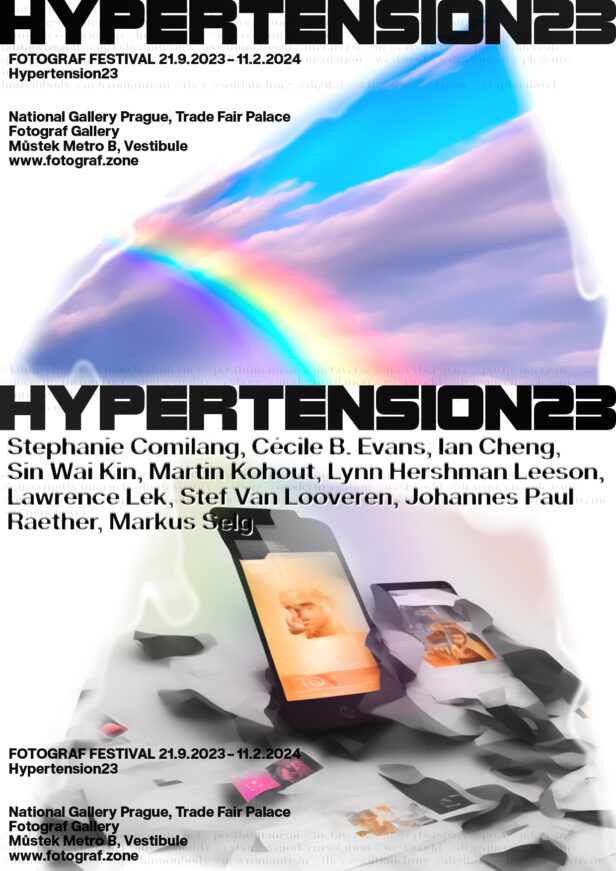
The 13th edition of the Photographer Festival, #hypertension23, explores the tension in our minds caused by technologies that expose our attention to constant visual pressure.
21 September 2023 - 11 February 2024 Prague
Fotograf
Gallery
space for contemporary photography and related media
Work in Process
27. 2. — 18. 5. 2024
The Work in Process exhibition is an exhibition about labor that is necessary and supportive, that we encounter everywhere that needs to be kept organised and that is often neglected. Even in galleries, numerous workers are partly „invisible“: applying for grants, keeping the accounts, managing technical equipment, installing, de-installing, guarding exhibitions, cleaning, and maintaining social networks. The exhibition wants to make all of this visible, knowing that it may become another in a series of exhibitions about care.
Creative
Edge
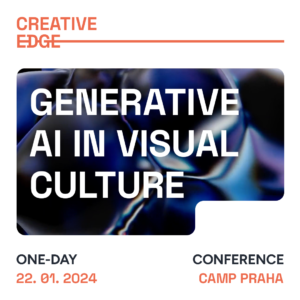
AI conference
A one-day conference on critical and realistic approaches to AI in the context of creative professions and disciplines.
Fotograf
Zone
We are the zone of contemporary photography and visual culture. Through the optics of photography and the moving image, we try to find ways out or comment on the pressing problems of today.
Since 2002 we have been publishing the printed Fotograf Magazine, which we distribute in the Czech Republic and abroad. In the Fotograf Gallery we organizeexhibitions, meetings in the framework of accompanying events and offer the public a study room of books on photography and art. Every autumn in Prague, we organize the International Fotograf Festival, which focuses on selected topics of current interest in society. Since 2022 we have been a member of Futures - an international platform for supporting young talent.
Fotograf Contemporary is a platform for those interested in buying works by renowned photographers* and for those who want to learn more about collecting artistic photography.
Fotograf
Contemporary
print sales & collector's guide to photography
Fotograf Contemporary is a platform for those interested in to buy works of renowned photographers and for everyone, who want to learn more about collecting art photography.
Fotograf
Magazine
magazine for contemporary photography and visual culture
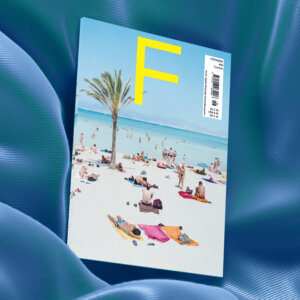
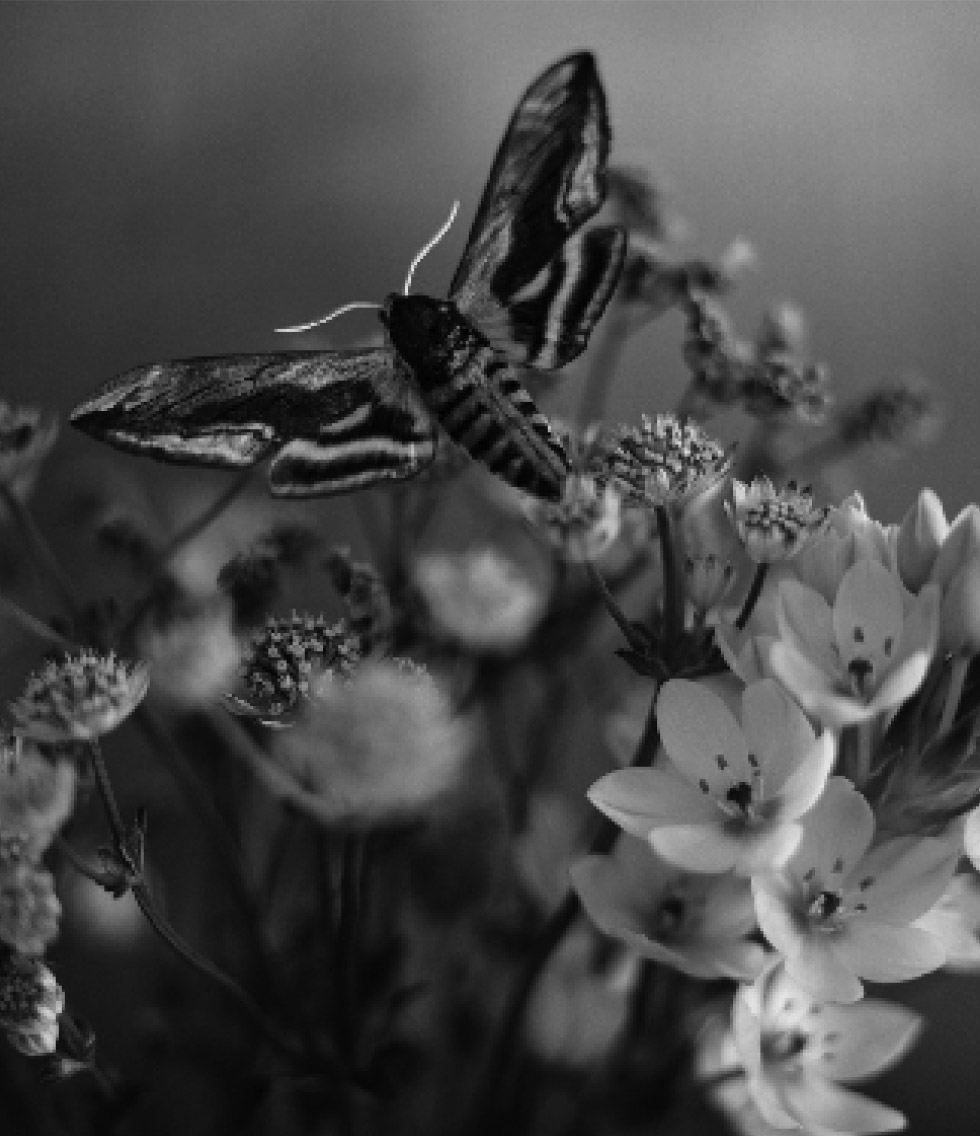
The latest issue of Fotograf magazine No. 46 Tourism is on sale now.